A wrong voltage rating on a distributor’s site may look like a small slip, and so may an outdated dimension on a product label. Either one can trigger returns, support calls, and loss of trust. For manufacturers in regulated markets such as medical devices, a labeling error can also become a compliance problem. Most of these mistakes share one root cause, which is that people copy product data by hand from one system to another, and each copy creates a new chance for error.
Product information management (PIM) gives manufacturers a structured way to control product data from the moment engineering releases it to the moment it reaches a customer. This article covers practical strategies that help teams reduce spec and labeling errors across every sales channel.
Start With One Trusted Source for Product Data
Errors multiply when engineering specs live in one tool, marketing copy in another, and channel data in spreadsheets. Every handoff between these sources invites a typo, a missed update, or an old version. The first strategy is to name a single governed source for product attributes, such as dimensions, materials, ratings, and certifications, and to feed every channel from it.
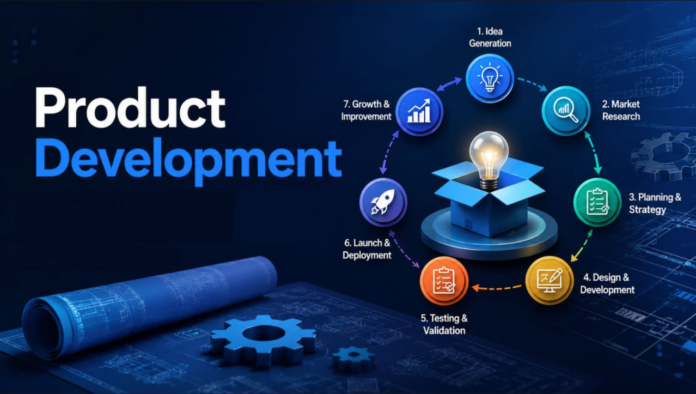
The strongest setups pull technical data straight from the engineering record instead of retyping it. When released specifications flow directly from product lifecycle management (PLM) software into PIM, marketing teams enrich that data with descriptions and images instead of recreating it. Marketing can then prepare content in parallel with new product development instead of waiting for the final release.
Set Clear Ownership and Approval Rules
Data quality slips when everyone can edit everything. Role-based permissions let engineers own technical attributes while marketing owns customer-facing copy, so no one accidentally overwrites a spec they do not understand. Approval workflows add a review step before content goes live, much like a second set of eyes on a contract before signing.
Teams can use a few simple checks to judge whether their process is working:
- Does each product detail have one clear owner?
- Does someone review new or changed content before it reaches a channel?
- Can the team see who changed a value and when?
- Do labels and listings update when the engineering spec changes?
- Is it easy to spot products with missing or incomplete information?
Manage Variants Without Duplicating Data
Product families with many sizes, colors, or configurations are a common source of errors. When a team enters each stock-keeping unit (SKU) as a separate record, it must repeat every change to a shared attribute dozens of times, and it often misses a few. Parent-child variant structures solve this by letting a change at the parent level flow down to every variant. They still allow specific overrides where a variant truly differs.
Format Data Once for Every Channel
A marketplace may need different field names than a distributor portal, and a printed label may need shorter text than a product page. Channel profiles map the same governed data to each destination’s format, so teams configure the rules once instead of rebuilding files for every channel. When the source data changes, the update reaches every channel from the same place.
Completeness tracking adds another layer of protection. By defining which attributes each channel requires, teams can catch missing data before launch instead of hearing about it from a distributor. Building this check into new product development helps channels stay ready for the day the product ships.
Use Automation to Lighten the Manual Load
Bulk editing lets teams update a shared attribute across hundreds of products in one step instead of opening each record. Templates and automated content suggestions can turn technical specs into clear customer-facing descriptions, which saves time while keeping the underlying values consistent with the engineering record.
Conclusion
Most labeling and spec errors come from processes that depend on manual copying between disconnected systems, so better data flow goes a long way toward preventing them. A single trusted source, clear ownership, smart variant management, and channel-ready formatting help manufacturers deliver accurate information at every customer touchpoint.
Propel Software delivers reliable product information management powered by artificial intelligence (AI), built on the same platform as its PLM and quality management system (QMS). Propel helps manufacturers keep product data accurate from engineering release to every sales channel.

. Propel helps manufacturers keep product data accurate from engineering release to every sales channel.)